Representative results

Client stories with measurable outcomes

These case studies represent the types of engagements we deliver. All organizations are representative client stories that illustrate our approach and the outcomes we achieve. Specific details have been adjusted to protect client confidentiality.

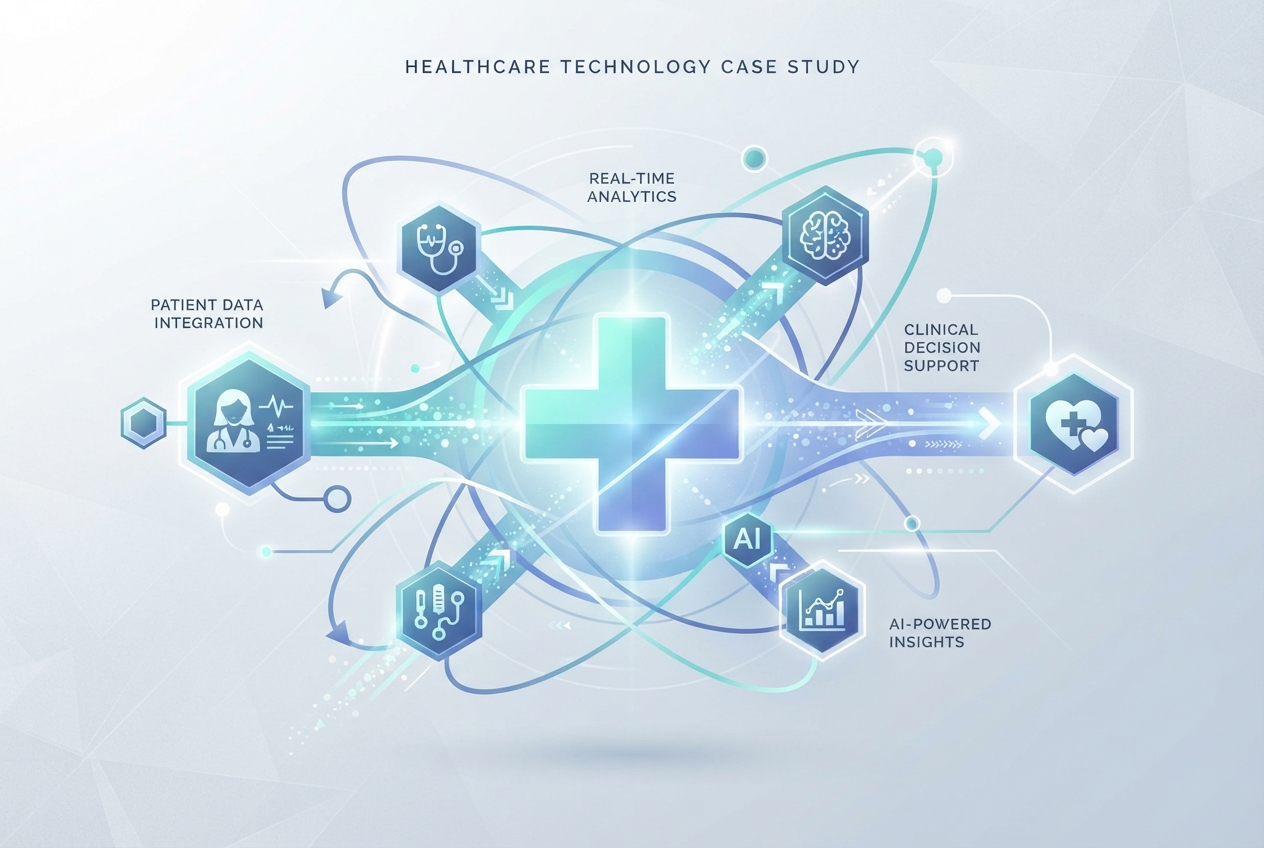
Illustration representing Lakewood Regional Health Network case study

Healthcare Services

Unified identity and endpoint visibility across 14 clinical locations

Lakewood Regional Health Network

Challenge

Lakewood Regional Health Network operated across 14 locations with inconsistent identity management and limited endpoint visibility. Each facility maintained its own security tools and processes, creating blind spots that made incident response slow and compliance auditing difficult. Leadership needed a unified approach that would improve security posture without disrupting clinical operations.

Approach

We began with a comprehensive assessment of existing identity infrastructure and endpoint management across all locations. We designed a centralized identity governance framework with role-based access controls aligned to clinical workflows. We deployed unified endpoint management with consistent security policies and implemented centralized logging with automated alerting. Throughout implementation, we maintained 24/7 clinical operations with zero scheduled downtime during business hours.

Key outcomes

72%

Faster incident triage time

14

Locations unified under single platform

99.97%

Uptime maintained during migration

45%

Reduction in security audit findings

What changed

Before Vela Meridian, Lakewood's IT team spent most of their time reacting to security alerts with incomplete information. Now they have centralized visibility across all locations, automated policy enforcement, and clear incident response procedures. The network's compliance team can generate audit reports in hours instead of weeks, and clinical staff experience fewer access disruptions.
Discuss a similar project

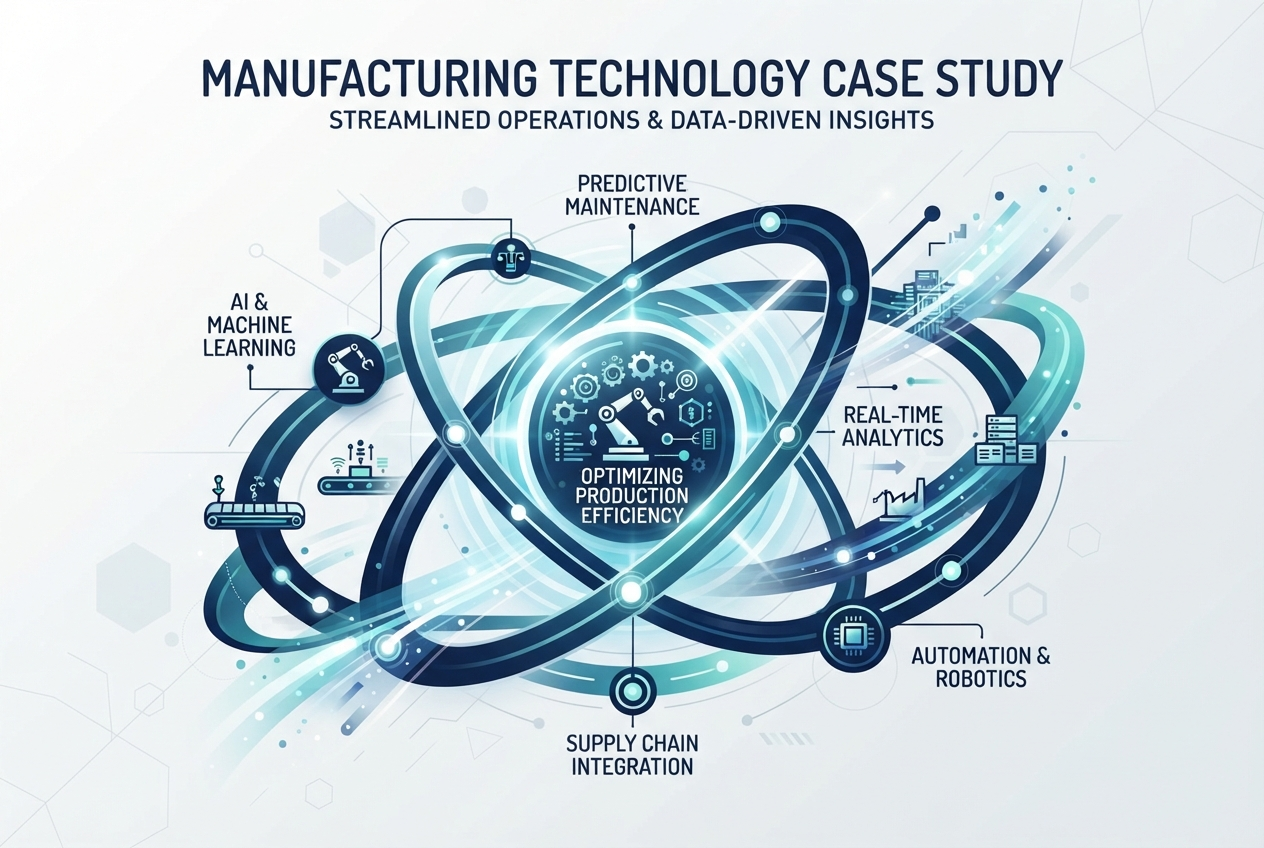
Illustration representing Precision Alloy Components case study

Specialty Manufacturing

Modernizing a fragmented data environment for operational intelligence

Precision Alloy Components

Challenge

Precision Alloy Components had grown through acquisition, leaving them with three separate ERP systems, disconnected production monitoring tools, and financial data spread across spreadsheets and legacy databases. Leadership lacked reliable visibility into production efficiency, inventory costs, and demand forecasting. They needed a unified data foundation to support better operational decisions.

Approach

We designed a governed data platform that integrated data from all three ERP systems, production monitoring tools, and financial systems. We established data quality controls, implemented master data management for critical entities, and built integration pipelines that synchronized data in near-real-time. We created executive dashboards for operational KPIs and prepared the foundation for predictive analytics in production planning.

Key outcomes

3

ERP systems unified into single data layer

28%

Improvement in inventory turnover

4.2 days

Reduced monthly close cycle

92%

Data accuracy in production reporting

What changed

Precision Alloy's leadership team now has real-time visibility into production efficiency across all facilities. Monthly financial close, which previously took 12 days of manual reconciliation, now completes in under 8 days with automated data validation. The operations team uses predictive models for demand forecasting that were impossible with their previous fragmented data environment.

Discuss a similar project

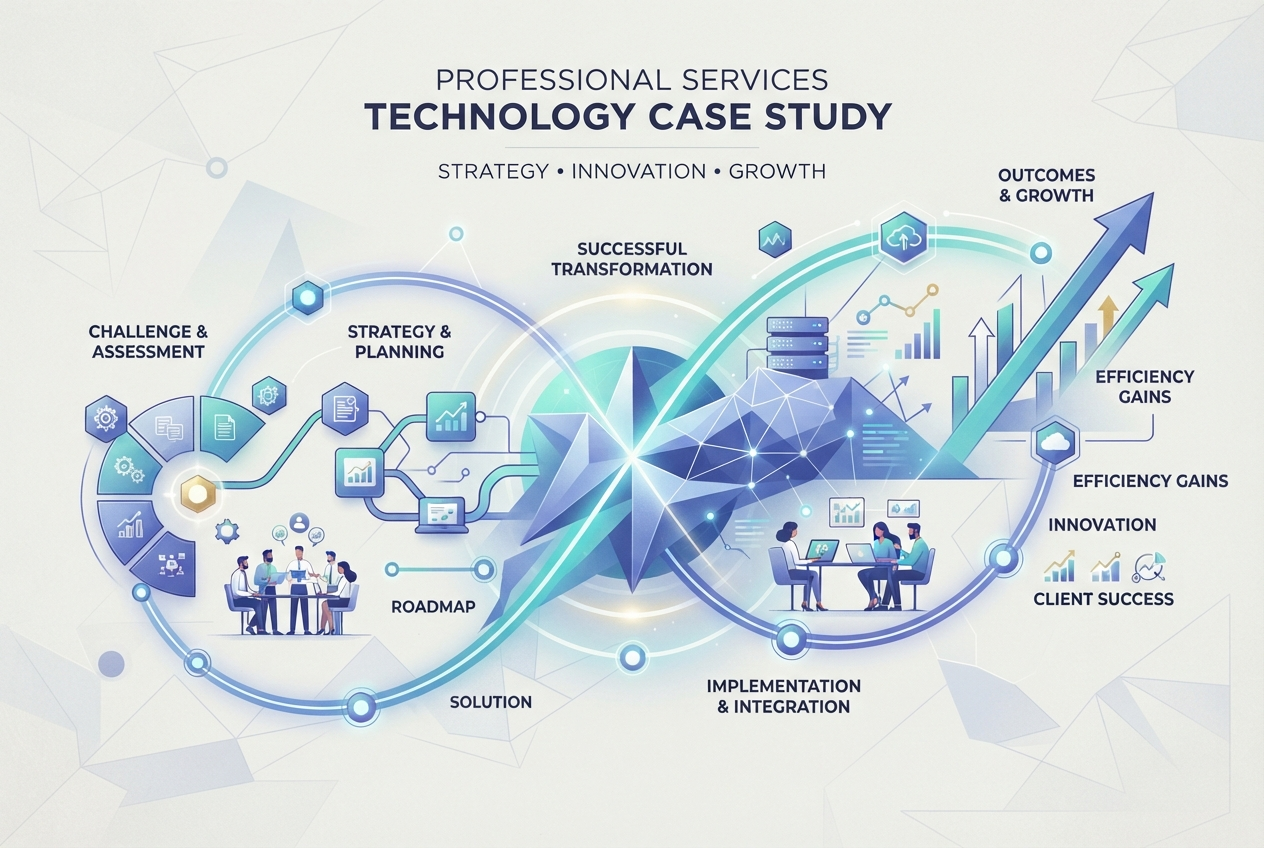
Illustration representing Hargrove & Associates Consulting case study

Professional Services

Stabilizing cloud collaboration and support workflows across 8 offices

Hargrove & Associates Consulting

Challenge

Hargrove & Associates, a multi-location professional services firm, struggled with inconsistent collaboration tools, unreliable endpoint support, and growing employee frustration with technology. Consultants working across 8 offices faced different toolsets, poor video conferencing quality, and slow IT support response times. Employee satisfaction surveys consistently flagged technology as a barrier to productivity.

Approach

We implemented a standardized digital workplace platform across all offices, including unified communication tools, secure file sharing, and consistent endpoint management. We redesigned the IT support model with a self-service portal, clear escalation paths, and defined response time commitments. We established adoption metrics and conducted targeted training sessions to ensure smooth transition.

Key outcomes

61%

Reduction in IT support tickets

8

Offices standardized on single platform

3.4 hrs

Average time to resolve support requests

89%

Employee satisfaction with workplace technology

What changed

Hargrove consultants now have consistent, reliable collaboration tools regardless of which office they work from. Video conferencing quality improved dramatically with optimized network configurations. The IT support team, which previously spent most of their time on repetitive password resets and access requests, now focuses on proactive improvements and strategic projects. Employee satisfaction with technology increased from 54% to 89% within six months.

Discuss a similar project

Ready to discuss your own technology challenges?

Every organization's situation is unique. Let's start with a conversation about your current environment, your goals, and how we might help you achieve measurable outcomes.

Start a Conversation